 Clear Aligners / Invisalign Most Popular
 Who it's for
Clear Aligners / Invisalign
For patients who want a flexible, nearly invisible way to straighten their teeth around a full schedule — work, school, or both.
Learn more about Invisalign All Treatments Every treatment we offer, mapped to your stage of care. See the full picture before diving into specifics.
 Kids & Teens
Adults & Invisalign Seekers
Specialized Treatment
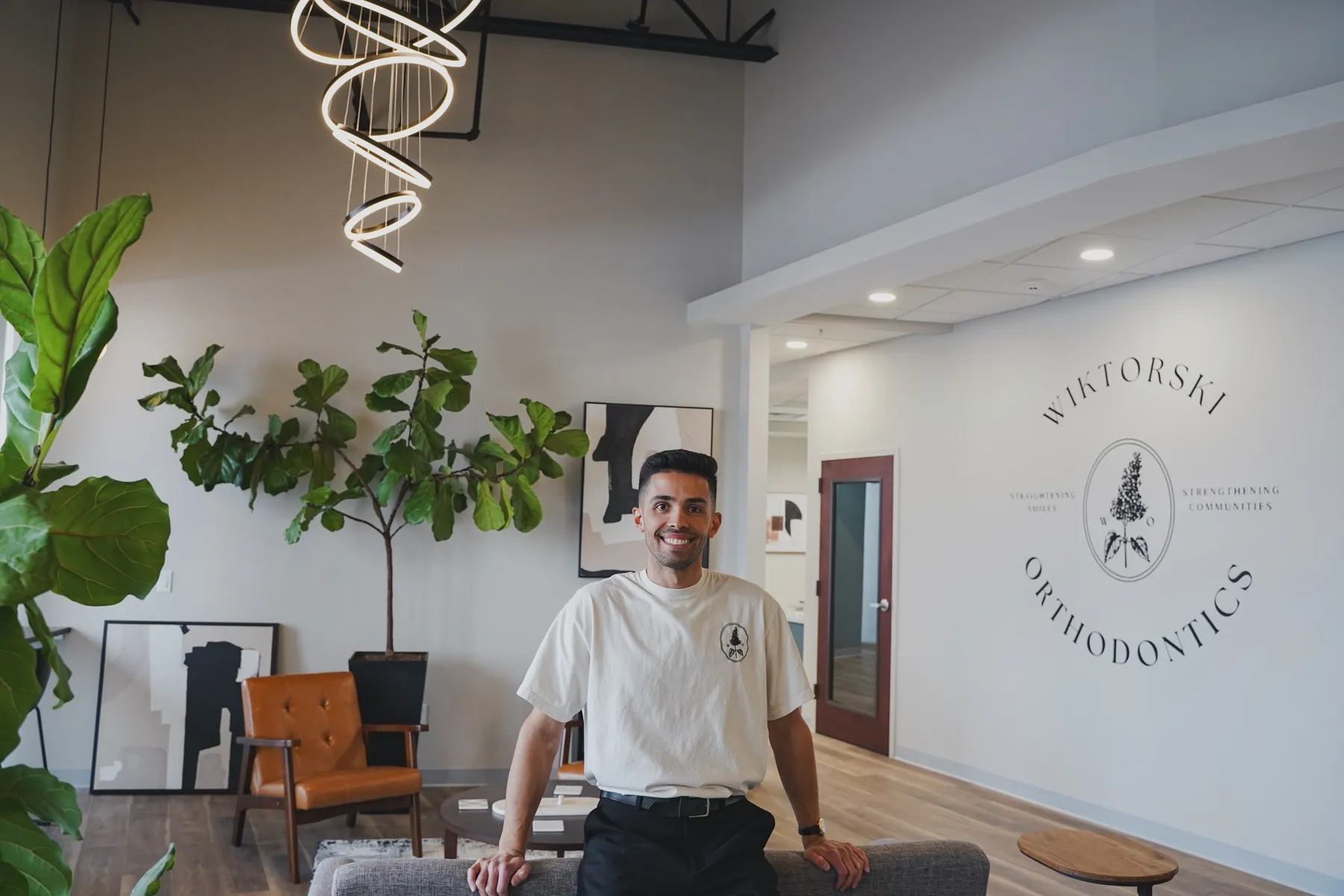
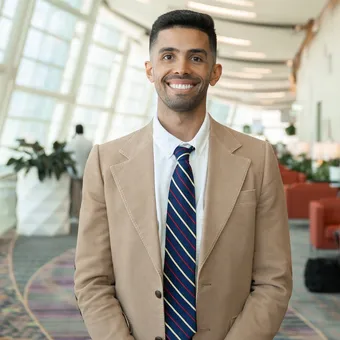
Dr. Cody Wiktorski personally reviews every case at Wiktorski Orthodontics — in the chair, and on the screen between visits. Technology here exists to protect that, not replace it.
Book a ConsultationMost practices treat "high-tech" and "high-touch" as a tradeoff. Here, they're the same decision.
As practices grow, the doctor usually gets harder to reach — more associates, more hand-offs, a different face at every visit. This practice was built to grow the other way.
Remote monitoring, personal video recaps after every diagnosis, and a scheduling system built specifically to protect chair time all exist for one reason: so Dr. Wiktorski stays personally involved in every case, whether you're down the road or several states away.
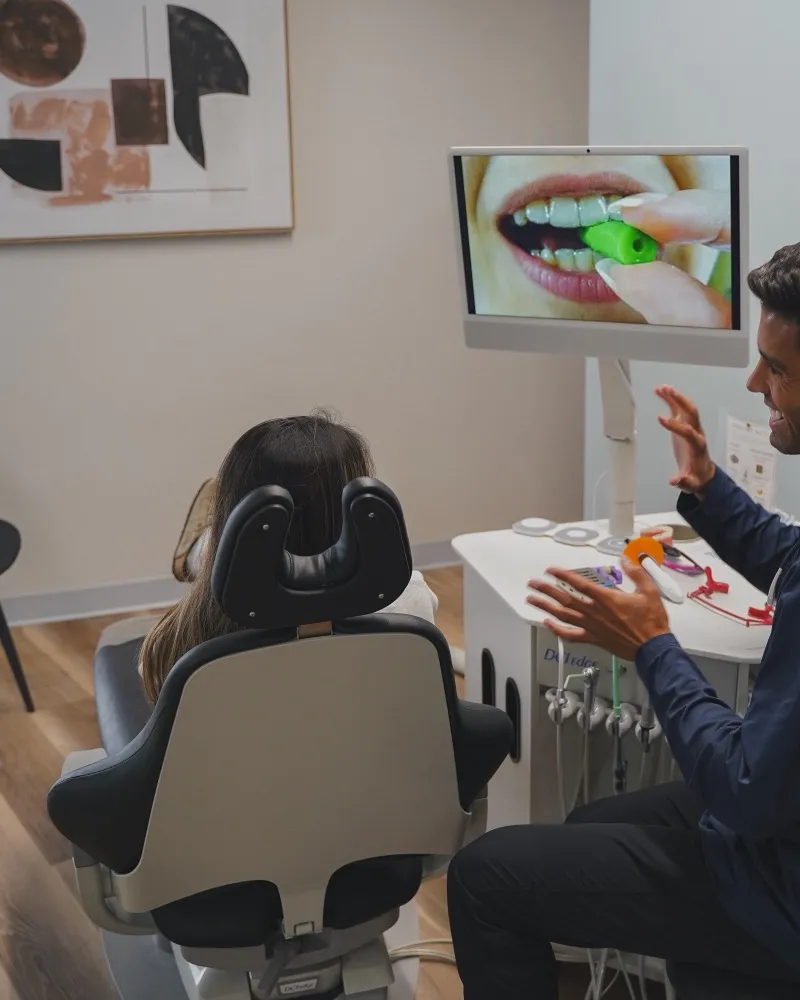
“I never want people to think we're too busy, or that we're just a mill.”Dr. Cody Wiktorski
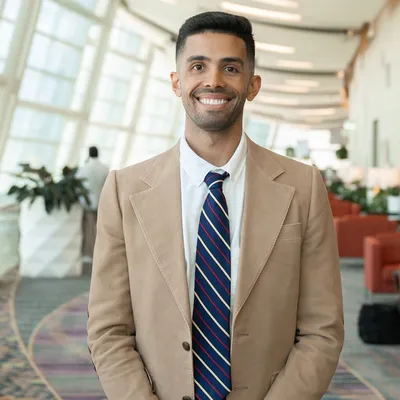
Dr. Wiktorski personally reviews every scan, message, and treatment plan in this practice — not a rotating associate. The practice has grown roughly 100% year over year without adding the extra layers of staff that usually get between you and your doctor.
You're not handed off to a rotating cast. He's actually in this with you.
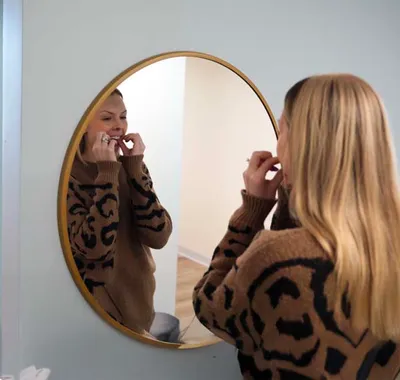
WO On The Go, the practice's remote monitoring program, lets Dr. Wiktorski review your progress weekly between in-office visits — reducing how often you need to come in without reducing how closely he's watching your case. It's part of why patients living well outside Rochester choose this practice, and stay.
Wherever you are, you get the same depth of attention — not a scaled-down version of it.
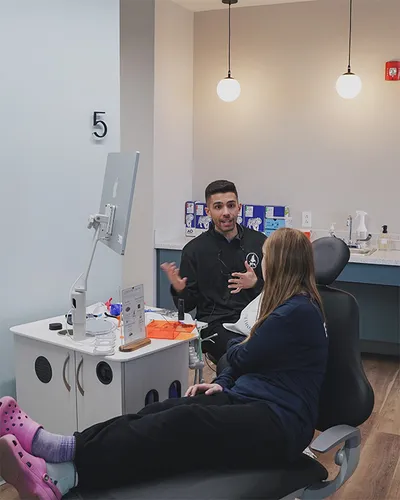
Every consultation includes a real conversation about your diagnosis — and ends with a genuinely detailed video, recorded by Dr. Wiktorski himself, recapping everything you just discussed, so you're never stuck trying to remember it later.
You'll never wonder if you got the full picture. You did.
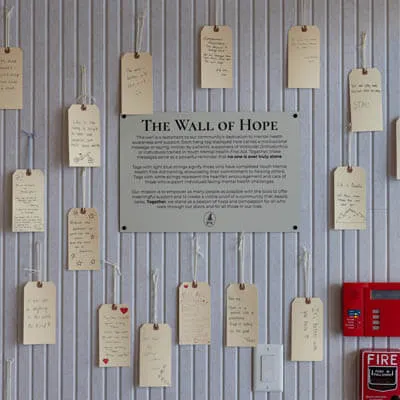
Conversations here go beyond tooth movement, into what's actually going on in your life, your schedule, and your goals. It's part of why the practice started Hope Through Smiles, a community initiative pairing new patients with free Youth Mental Health First Aid training.
You're treated like a whole person with a life happening around your treatment — not a case on a schedule.
“Whether you're in the chair or three time zones away, you get the same doctor, the same thoroughness, the same attention.”— Dr. Cody Wiktorski
Your first visit starts with a real conversation — what's bothering you, what you've tried, and what your life actually looks like day to day.
Your scans and history are reviewed personally, not run through a standard template. Complex and restorative cases are evaluated for function first.
After talking it through with Dr. Wiktorski at your consultation, you receive a personal video recapping everything — what we found, why it matters, and what we'd recommend — plus every option, so you don't have to remember everything when trying to decide.
In-office visits and remote check-ins are combined based on what your case actually needs — not a one-size-fits-all schedule.
From your first scan to your last retainer check, Dr. Wiktorski is the one reviewing your case.
No option here is positioned as universally better — the right one depends on your case, your bite, and your life.
Not sure which one is right for you?
That's exactly what a consultation is for — Dr. Wiktorski will tell you plainly, not just sell you the option that's easiest to book.
Clear Aligners / Invisalign Most Popular For patients who want a flexible, nearly invisible way to straighten their teeth around a full schedule — work, school, or both.
Learn more about Invisalign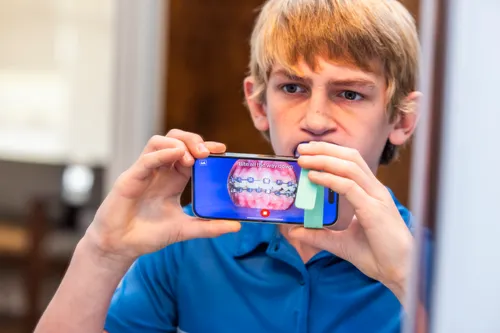 Braces
 For kids, teens, or adults whose case fits more seamlessly into life with braces than aligners — not because it's the fallback option.
Learn more about braces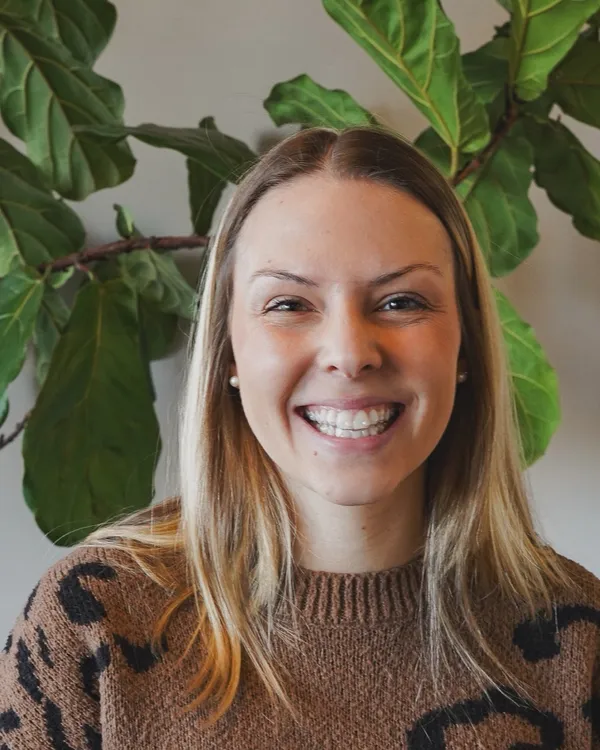 Adults
 For adults who want discreet, flexible treatment that fits around a full schedule — not the other way around.
Learn more about adult treatment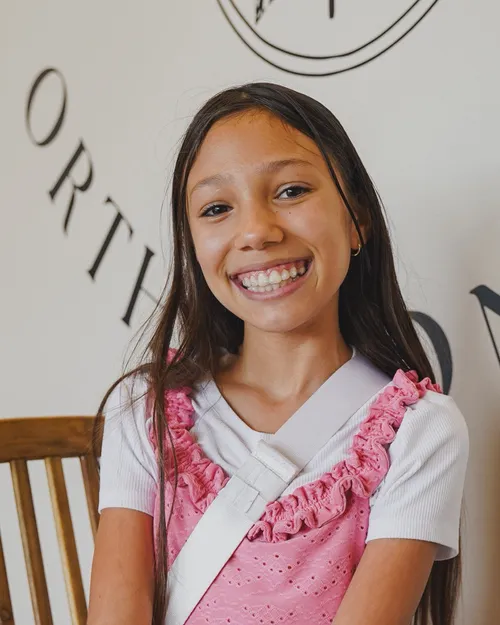 Kids & Teens
 For early development, growth monitoring, or full adolescent treatment — including an early evaluation starting around age seven, per AAO guidance.
Learn more about early treatment"Thorough" is the word Dr. Wiktorski says he hears from patients more than any other — usually unprompted. Here's what that actually looks like in practice, not just what we call it.
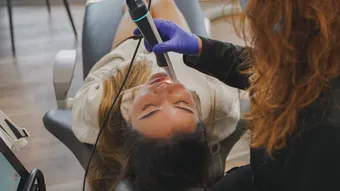
3D imaging and a full exam, whether you come into our Webster office or do it entirely from home — not a five-minute look and a sales pitch.
Every case is read by the doctor treating you, not routed to whoever's available.
We walk through your diagnosis together at your consultation. Afterward, you receive a personal video from Dr. Wiktorski recapping it all — what was found and why it matters — so nothing gets lost to memory later.
"I love when people actually shop around, I love when they come back and say 'I looked, and this was it.' I want them to know the value they're receiving here and how truly different it is," Dr. Wiktorski says.

A plain-language walkthrough of your bite, alignment, and any functional concerns — explained the way we'd say it in person, not in dense clinical shorthand.
How the findings connect to your goals, comfort, and long-term function.
A specific plan, plus the alternatives we considered and why we didn't recommend them instead.
— Recorded personally by Dr. Cody Wiktorski
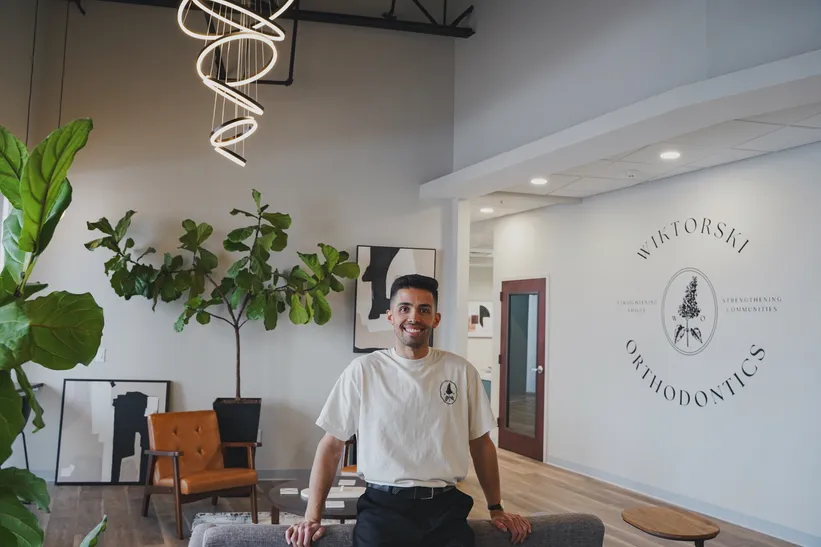
Dr. Cody Wiktorski grew up in Penfield, just down the road from the practice he opened in Webster.
He returned home after training under some of the country's top Invisalign providers and running an Invisalign-focused practice in Buffalo, wanting to build the kind of practice he felt orthodontics needed more of: one where the doctor stays close to the work as it grows, instead of stepping back from it.
That shows up in how the practice runs day to day — he reviews cases personally, talks through every diagnosis with you directly, and then follows up with a real, personal video recapping it — so you're never left trying to remember a verbal aside — and has said plainly that he never wants patients to feel like the practice is "too busy" for them, no matter how much it grows.
Patients travel well outside the standard service radius for this practice — some from other states — combining occasional in-office visits with weekly, doctor-reviewed remote check-ins.
It doesn't work for every case, and Dr. Wiktorski will tell you honestly if yours needs more hands-on time. But for the patients it fits, distance stops being the deciding factor.
Not every case qualifies for a remote-first schedule. Appropriateness is determined case by case during your evaluation — this isn't a fit for every patient or every diagnosis.
★★★★★“My teenage daughter and I both were patients of Dr. Cody Wiktorski. From the second we walked into his office we felt comfortable. Both Dr. Cody & Amy were amazing. They were both accommodating, and available to help us or answer any questions we had at any time. The process was seamless and we are both extremely happy with our results. 100% recommendation from the Mazzoranas!” Anthony Mazzorana · Verified Google Review
★★★★★“I can't recommend Dr. Cody and the entire team enough! My teeth came out even better than I ever expected, and the whole experience has been amazing from start to finish. I've been with them for over a year, and no matter what came up, they were always there for me. I was even out of the country at one point, and when I had concerns, they took the time to FaceTime me to make sure everything was okay. That level of care meant a lot. One of the things I appreciate most is how family-oriented they are. They understand that people have jobs, families, and busy lives, and they do their best to work around your schedule while helping you achieve your smile goals. The app they use is super user-friendly, making it easy to stay on track. Throughout the entire process, they walked me through every step. Anytime I had questions or concerns about how my teeth or smile looked, they took the time to explain exactly what was happening and why, which gave me a lot of confidence. The biggest reason I chose Dr. Cody was because I wanted an orthodontist I could genuinely be myself around. That's not always easy to find with a doctor. Seeing that he was around my age made me feel like he understood what I wanted, and after our first onboarding appointment, I knew I had made the right choice. If you're looking for an orthodontist who truly cares about their patients, communicates every step of the way, and delivers incredible results, I highly recommend Dr. Cody and his team!” Tyler Cavalier · Verified Google Review
Come in, or check in remotely — either way, Dr. Wiktorski will walk you through exactly what he sees, what he'd recommend, and why. Then you decide what's right for you.
1900 Empire Boulevard, Suite 805
Webster, NY 14580
Wednesday, Thursday, Friday · 8:00 AM – 5:00 PM
Please confirm current hours by phone — hours are subject to change.