An early orthodontic checkup is often about watching how a child grows. It does not always mean starting braces right away. At Wiktorski Orthodontics in Rochester, we meet families who want clear, calm guidance. We focus on timing so treatment starts when it will work best.
What we mean by early
The American Academy of Orthodontists recommends a first check by about age seven. Early does not always mean early treatment. It means checking patterns in jaw growth and tooth arrival. We look for signs that a future problem might need care later. When we spot a concern early, we plan the most efficient next steps.
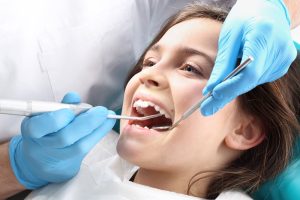
We use exams, photos, and x-rays to learn how your child is developing. These tools help us watch growth without rushing into appliances. Many children simply need periodic checks. A small number need focused, early treatment to guide growth.
What we look for during an exam
We look at how the top and bottom teeth meet, which we call the bite. A bite that does not fit properly can affect chewing, speech, and tooth wear. Not every bite issue needs immediate action. We also check crowding, or whether there will be enough room for adult teeth.
Eruption is another key concern. We note whether permanent teeth come in on time and in the right place. If a tooth is blocked or late, early steps can reduce future complexity. We also evaluate jaw symmetry, oral habits, and overall dental development.
We share what we see in plain language. Parents get clear descriptions and options. Kids hear the plan in friendly terms too. This helps families make confident decisions.
When we treat now and when we wait
Some problems benefit from early treatment. For example, a crossbite that shifts jaw growth may need prompt care. Short, focused appliances can guide jaw development or correct bite patterns. Early treatment is often brief and specific.
More often we monitor with scheduled visits and periodic x-rays. Monitoring helps us time braces, Invisalign, or retainers when most adult teeth have arrived. Waiting can avoid unnecessary early appliances and keep treatment predictable.
We coordinate with your child’s dentist when help is needed earlier. Good teamwork keeps care smooth and avoids duplicate work. Our goal is a thoughtful plan that suits your child’s growth, school schedule, and family needs.
| Choice | Typical age | What happens | Why it helps |
|---|---|---|---|
| Monitoring | 6–10 | Regular checkups, photos, and x-rays | We wait for the right time to start treatment |
| Early treatment | 7–10 | Short, focused appliances when indicated | Guides jaw growth and can prevent worsening issues |
| Full treatment later | 11–14 | Braces or Invisalign when most adult teeth are present | Treats alignment with predictable timing |
How a clear plan reduces surprises
An early check creates a plan with milestones and decision points. Families know what we will watch and when we will act. This clarity lowers stress and helps with scheduling school and activities. It also helps families plan for costs over time.
We explain each step and the likely timing. If treatment will come later, we show the options. These include traditional braces, clear aligners like Invisalign, retainers, and cosmetic options after orthodontic care. We also offer virtual follow-up visits when that fits your life.
At our Rochester office, care revolves around each child and family. Dr. Cody Wiktorski and our team aim to give straight answers and fewer visits when possible. We combine modern tools with a personal approach to support families through growth and change.
Ready for the Next Step?
If your child is near age seven, call us for a friendly check. We will review what we see and suggest the best timing for care. Reach Wiktorski Orthodontics at 585-205-7225 to schedule a visit or to ask about virtual checkups. You can also request an appointment online at https://wiktorskiorthodontics.com/.