

Watch first, act when needed.
An early orthodontic checkup is often about watching how a child grows, not starting braces right away. Here’s what we look for and how we decide when to act.
An early orthodontic checkup is often about watching how a child grows — it doesn't always mean starting braces right away. At Wiktorski Orthodontics in Webster, NY, we meet families who want clear, calm guidance, and we focus on timing so treatment starts when it will work best.
What we mean by “early”
The American Association of Orthodontists recommends a first check by about age seven. Early doesn't always mean early treatment — it means checking patterns in jaw growth and tooth arrival, and looking for signs that a future problem might need care later. When we spot a concern early, we can plan the most efficient next steps.
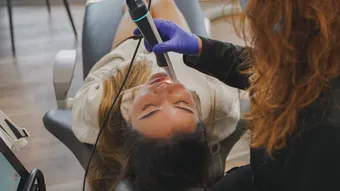
We use exams, photos, and X-rays to learn how your child is developing, watching growth without rushing into appliances. Many children simply need periodic checks; a small number need focused, early treatment to guide growth.
What we look for during an exam
We look at how the top and bottom teeth meet, which we call the bite. A bite that doesn't fit properly can affect chewing, speech, and tooth wear — though not every bite issue needs immediate action. We also check crowding, or whether there will be enough room for adult teeth.
Eruption is another key concern: we note whether permanent teeth come in on time and in the right place. If a tooth is blocked or late, early steps can reduce future complexity. We also evaluate jaw symmetry, oral habits, and overall dental development, and share what we see in plain language so families can make confident decisions.
When we treat now, and when we wait
Some problems benefit from early treatment — for example, a crossbite that shifts jaw growth may need prompt care, where short, focused appliances can guide jaw development or correct bite patterns. More often, we monitor with scheduled visits and periodic X-rays, timing braces, Invisalign, or retainers for when most adult teeth have arrived. Waiting can avoid unnecessary early appliances and keep treatment predictable.
We coordinate with your child's dentist when help is needed earlier, so care stays smooth and avoids duplicate work.
Your child's options at a glance
| Choice | Typical Age | What Happens |
|---|---|---|
| Monitoring | 6–10 | Regular checkups, photos, and X-rays while we wait for the right time to start treatment |
| Early treatment | 7–10 | Short, focused appliances when indicated — guides jaw growth and can prevent worsening issues |
| Full treatment later | 11–14 | Braces or Invisalign once most adult teeth are present, for predictable timing |
How a clear plan reduces surprises
An early check creates a plan with milestones and decision points, so families know what we'll watch and when we'll act. That clarity lowers stress and helps with scheduling school and activities — and helps families plan for costs over time. If treatment will come later, we walk through the options: traditional braces, clear aligners like Invisalign, retainers, and cosmetic options after care, plus virtual follow-up visits when that fits your life.
If your child is near age seven, call us at (585) 205-7225 for a friendly check — we'll review what we see and suggest the best timing for care.
More from Dr. Cody
Simple Daily Habits to Keep Orthodontic Care on Track in Rochester
Small daily choices help treatment go smoothly and stay on schedule. Practical habits for anyone in braces, clear aligners, or retainers.
Read the article
Orthodontics for Busy Adults in Rochester: A Simple Guide from Wiktorski Orthodontics
Starting care doesn’t have to mean big life changes. Here’s how adult treatment fits around a full schedule — and what to expect at your first visit.
Read the article
Why Early Orthodontic Treatment Matters: Insights from Wiktorski Orthodontics
Phase 1 treatment guides developing smiles in ways that can prevent bigger challenges down the road. Here’s what it addresses and why timing matters.
Read the articleYou don't have to decide today.
Come in, or check in remotely — either way, Dr. Wiktorski will walk you through exactly what he sees, what he'd recommend, and why. Then you decide what's right for you.